Sublimation Gnome Santa V14: A Designer's Review
As a designer who spends more time staring at stitch previews than I do sleeping during the holiday rush, I approach every new machine embroidery design with a healthy dose of skepticism. We have all been there: you buy a cute graphic, convert it, and end up with a puckered mess that looks nothing like the preview. That is why I took a close look at Sublimation Gnome Santa V14. While this asset is technically categorized under Illustrations and Graphics as a sublimation file, my job is to figure out if it can cross over into the world of thread and fabric without losing its charm.
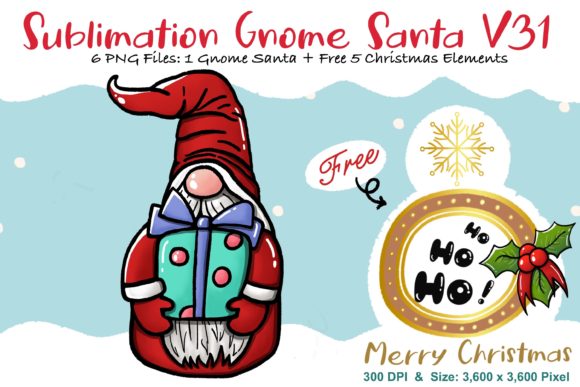
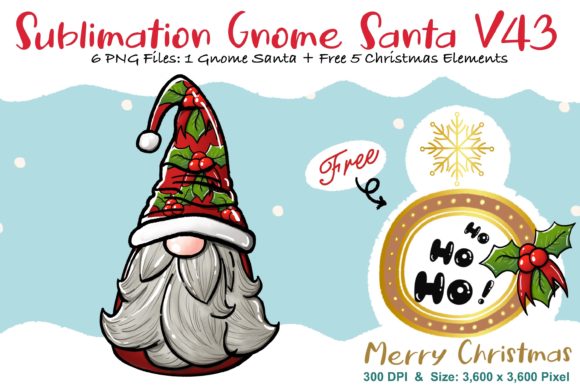
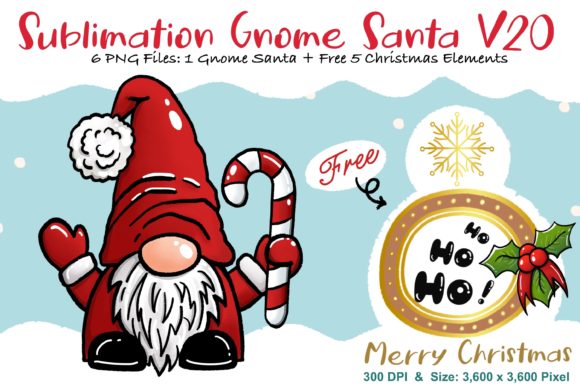
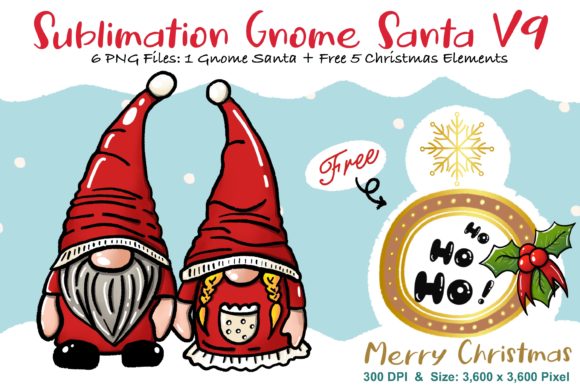
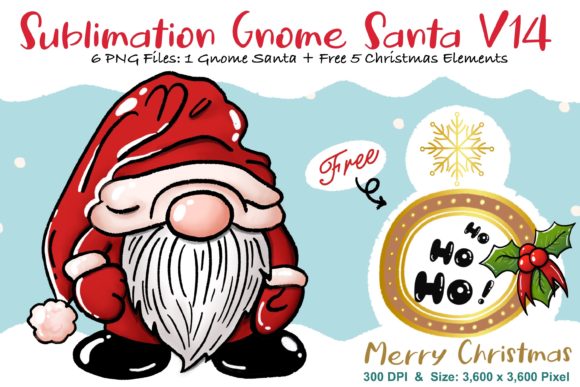
The first thing that strikes me about Sublimation Gnome Santa V14 is its personality. It leans heavily into the "doodle" aesthetic mentioned in its tags, featuring those whimsical, slightly imperfect lines that make gnomes so popular right now. The mood is cozy, rustic, and undeniably festive. For an Etsy seller or a boutique owner, this visual language is gold. It speaks directly to the customer looking for something handmade and heartfelt rather than mass-produced. However, translating a Gnome PNG or Santa clipart meant for heat transfer into a stitched embroidery project requires careful consideration of line weight and detail.
From Digital Asset to Stitched Reality
Let's talk about a real-world scenario. Imagine you are preparing a custom order for a local coffee shop that wants branded holiday tote bag designs. They want something unique, not the standard snowflake everyone else is using. Sublimation Gnome Santa V14 fits this brief perfectly in concept. The gnome theme is trendy, and the Santa element ensures seasonal relevance. If you were to use this strictly as a sublimation transfer, the process is straightforward: print, press, and done. The colors would pop, and the doodle style would remain crisp.
But what if your client wants texture? What if they want this on a thick canvas tote where sublimation ink might fade or feel too flat? This is where we consider digitizing this graphic or finding a matching embroidery file. The strength of this design lies in its simplicity. Doodle-style graphics often translate well to running stitch outlines or light fill stitch areas because they don't rely on photorealistic shading. The character of the gnome—the long beard, the pointed hat, the cheerful expression—needs to be preserved. In embroidery, this means ensuring your stitch density isn't too high, which could turn those charming thin lines into bulky blobs.
Material Matters: Where This Design Shines
Not every fabric is a good candidate for every design. With a character-driven piece like Sublimation Gnome Santa V14, fabric choice dictates the success of the finished product. For sweatshirt embroidery, this design is a strong contender. The fleece or French terry provides enough stability to support the stitching, and the casual nature of the doodle style complements the relaxed vibe of a hoodie. It would also work beautifully as an embroidered patch sewn onto a denim jacket or a backpack.
However, caution is required when dealing with textured fabrics or stretchy materials. If you attempt to stitch this directly onto a thin, stretchy baby embroidery item like a onesie, you risk distortion. The "doodle" lines might warp if the fabric pulls during washing. In these cases, using a high-quality cut-away stabilizer is non-negotiable. Similarly, if you are working on dark fabric, remember that this design likely relies on specific thread colors to define the gnome's features. You may need to add a satin stitch border or an underlay to prevent the dark fabric from showing through the lighter threads of the gnome's beard or face.
Navigating Technical Challenges
One of the biggest hurdles with converting Gnome clipart or Santa sublimation files into embroidery is the level of detail. Small elements, like the eyes of the gnome or tiny decorative stars in the background, can become problematic. In a sublimation print, a one-millimeter dot is easy to reproduce. In embroidery, a one-millimeter satin stitch column can be fragile and prone to breaking. Before committing to a production run of holiday embroidery items, you must test the design on scrap fabric identical to your final material.
Pay close attention to the corners. Doodle art often has sharp, quirky angles. If your digitizing software (or the pre-made file you purchased) creates too many direction changes in these corners, the needle can perforate the fabric, leading to weakness. For commercial embroidery projects that will undergo frequent washing, durability is key. You might need to simplify some of the intricate internal details of the Sublimation Gnome Santa V14 graphic to ensure the handmade product lasts. Always check the hoop size requirements; while gnomes are generally compact, adding text or surrounding elements could push the limits of a small hoop, especially on curved surfaces like caps.
Boosting Brand Value and Customer Trust
Why go through the trouble of adapting a graphic for embroidery? Because the perceived value is significantly higher. A personalized gift featuring a stitched gnome feels more substantial than a printed one. For craft business owners, this distinction allows you to charge a premium. When a customer sees the texture of the thread and the precision of the stitches, it builds trust in your brand. It signals that care was taken in the creation process.
Furthermore, consistency is vital for small shop products. If you use Sublimation Gnome Santa V14 across various mediums—perhaps as a print on mugs and a stitched motif on aprons—you create a cohesive brand identity. This recognition helps buyers remember your shop. Whether you are selling custom apparel or home decor like pillow covers, the versatility of this illustration style allows for a wide range of applications. Just ensure that your printable mockup images accurately represent the final stitched look so customers know exactly what to expect.
Final Verdict and Practical Tips
In conclusion, Sublimation Gnome Santa V14 is a versatile asset with strong potential for both sublimation and embroidery applications, provided you respect the limitations of the medium. It captures the whimsical spirit of the season without being overly cliché. Before you start stitching, here are a few essential steps:
- Test First: Always stitch out a sample on scrap fabric to check for registration issues and thread breaks.
- Check Licensing: Since this is a digital asset, confirm whether the license allows for commercial use of the physical embroidered items or if it is for personal use only.
- Contrast Check: View your design in black and white to ensure the shapes are distinct even without color.
- Stabilizer Selection: Match your stabilizer to the fabric weight; heavier fabrics need less support, while knits need robust stabilization.
- Thread Quality: Use high-quality threads to prevent breakage, especially in dense areas of the gnome's hat or beard.
By treating Sublimation Gnome Santa V14 not just as a picture but as a blueprint for a tactile creation, you can elevate your design assets into cherished keepsakes. Whether it ends up on a kitchen towel or a limited-edition tee, the right approach ensures your work stands out in the crowded holiday market.