Review: Sublimation Gnome Santa Doodle V13 for Holiday Embroidery
As a designer who spends more time staring at stitch previews than I do sleeping during the holiday rush, I approach every new graphic with a critical eye. We often see Illustrations and Graphics marketed as "ready-to-stitch," but the gap between a crisp PNG and a clean embroidered finish can be wide. Today, I am evaluating the Sublimation Gnome Santa Doodle V13 not just as a digital asset, but as a potential centerpiece for real-world embroidery projects. My goal is to determine if this design holds up under the needle or if it belongs strictly on a sublimation tumbler.
First Impressions and Visual Personality
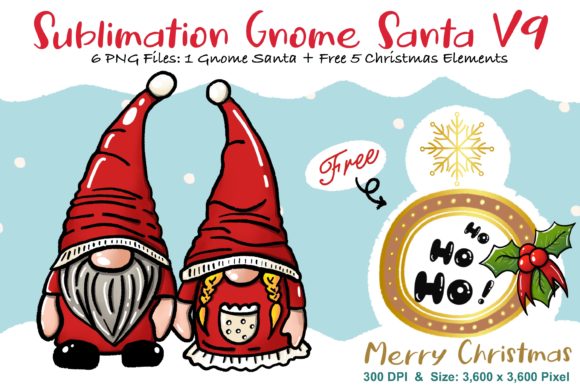
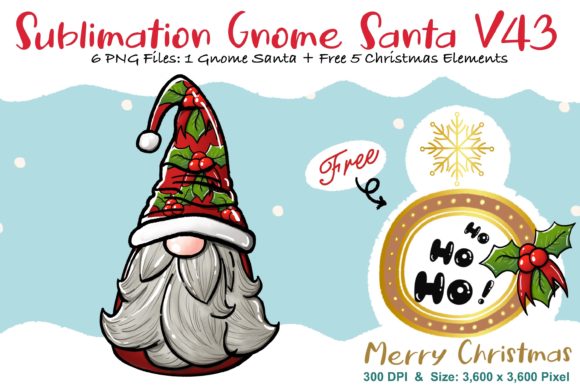
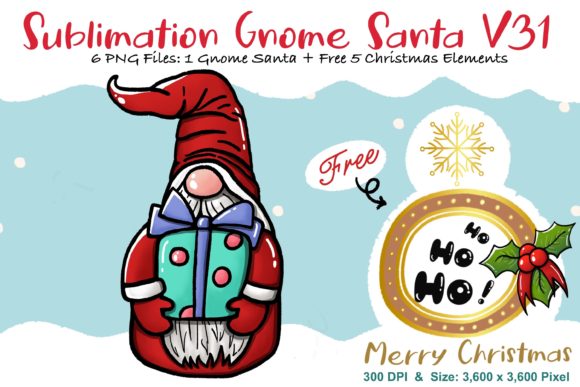
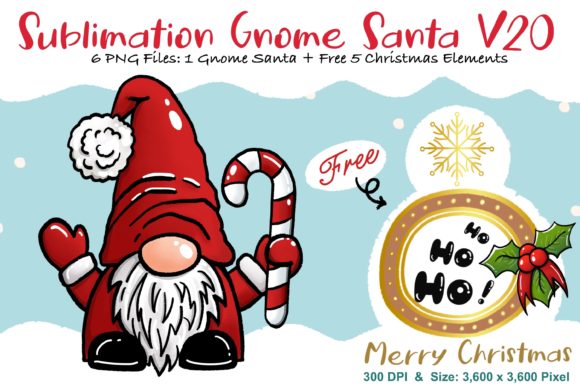
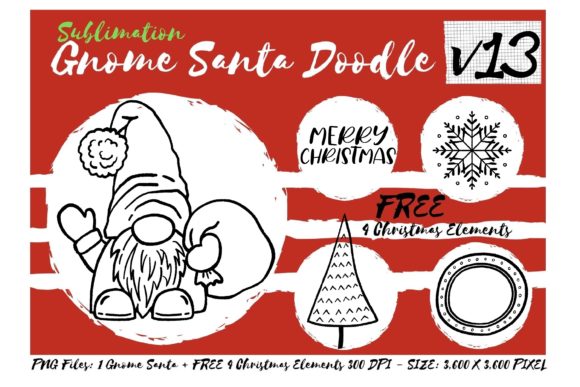
When I first pulled up the Sublimation Gnome Santa Doodle V13, the immediate vibe was playful and whimsical. The "doodle" aesthetic suggests loose, hand-drawn lines, which translates beautifully into embroidery if handled correctly. Unlike rigid vector art that can look sterile when stitched, this design carries a sense of movement and charm. The character features—a classic gnome silhouette merged with Santa elements—rely on strong outlines and distinct shapes rather than complex shading. For an embroiderer, this is promising. It means the design likely relies on clear running stitch outlines or tight satin stitch borders that define the character without getting lost in noise.
The mood is undeniably festive but approachable. It lacks the stiff formality of traditional holiday motifs, making it perfect for modern boutique items. However, because it originates as a sublimation graphic, my primary concern is detail retention. Sublimation files often include fine gradients and tiny textural dots that simply cannot be replicated with thread. Before committing to a machine embroidery design workflow, one must assess which elements of the Sublimation Gnome Santa Doodle V13 are essential and which need to be simplified for stitching.
Real-World Application: The Holiday Tote Scenario
To truly test the viability of this asset, I imagined a specific client request: a set of custom reusable tote bags for a local bakery's holiday giveaway. The client wanted something cute but durable. Here is where the Sublimation Gnome Santa Doodle V13 shines as a concept but requires technical adaptation. If used as a printed transfer, the doodle style works instantly. But for embroidery, which adds texture and perceived value, we need to consider fabric interaction.
On a canvas tote bag design, the bold shapes of the gnome would pop nicely. The thick beard and hat brim offer excellent areas for fill stitch work, providing density that prevents the fabric from showing through. However, the "doodle" lines might need thickening. In a real production environment, a thin line that looks artistic on screen can easily disappear into the weave of a cotton tote or break after a few washes. If you are an Etsy seller planning to offer this as a personalized gift, you must ensure the digitized version of this graphic has enough stitch coverage to survive daily use.
This design also fits well on sweatshirt embroidery projects. The cozy nature of a fleece hoodie complements the whimsical gnome theme. The soft texture of the fabric pairs well with the hand-drawn look of the Sublimation Gnome Santa Doodle V13. Just be mindful of pile height; if the sweatshirt is too fuzzy, fine details in the gnome's face might get swallowed up. A slightly larger scale or simplified facial features would ensure the finished product looks professional rather than muddy.
Technical Challenges and Fabric Considerations
While the aesthetic is strong, practical application reveals potential pitfalls. One major consideration is the hoop size. Doodle styles often spread out to capture that sketchy feel. If you are working on smaller items like baby bibs or cap fronts, you must verify that the design scales down without losing its identity. Shrinking a detailed illustration too much can result in a clump of thread where the gnome's features used to be.
Fabric texture plays a massive role here. On smooth quilting cotton or broadcloth, the Sublimation Gnome Santa Doodle V13 would render sharply. However, on textured waffle knits or heavy terrycloth towels, the stitch definition becomes critical. If the original graphic relies on subtle color shifts, you will need to carefully select thread colors that provide enough contrast to mimic those shifts using solid blocks of color. This is where the skill of the digitizer comes in; the raw graphic is just the starting point.
Dark fabrics present another hurdle. Since this is a sublimation-style image, it may assume a white or light background. If stitching onto a navy blue custom apparel item, you cannot rely on the fabric to show through as white space. You would need to add a satin stitch border or a fill background to make the gnome visible, effectively turning it into an applique design or a fully covered patch. Without this adjustment, the design might look incomplete on dark garments.
Enhancing Brand Value and Customer Trust
For craft business owners, the choice of design directly impacts brand perception. Using a high-quality, well-executed version of the Sublimation Gnome Santa Doodle V13 can elevate a simple pillow cover into a premium holiday embroidery piece. Customers associate neat, dense stitching with quality. If the doodle lines look shaky or the fill stitches gap, it undermines trust. Conversely, a clean execution signals professionalism.
This graphic is particularly effective for creating cohesive collections. Imagine a small shop product line featuring matching kitchen towels, aprons, and oven mitts all sporting this gnome. The consistency builds brand recognition. Furthermore, because the style is trendy and "doodle-like," it appeals to a younger demographic looking for unique, non-traditional holiday decor. This can drive higher engagement on social media platforms where visual appeal dictates buyer behavior.
Essential Designer Notes for Execution
Before you launch this into production, there are several practical steps to take. First, always test the design on scrap fabric identical to your final material. Check the stitch density; if it is too high, the fabric might pucker, especially on stretchy materials. If it is too low, the backing might show. Second, review the color palette. Sublimation files often use CMYK blends that do not have direct thread matches. You may need to manually adjust the embroidery file to use standard thread chart colors that achieve the same visual effect.
Pay close attention to small details like the gnome's eyes or any tiny decorative elements. These are often the first to cause thread breaks or bird-nesting. Simplifying these areas into solid shapes rather than intricate sketches often yields a better handmade product. Additionally, confirm the licensing terms. Just because a file is labeled for sublimation does not automatically grant rights for commercial embroidery sales. Ensure you have the clearance to use the Sublimation Gnome Santa Doodle V13 in physical goods intended for resale.
Finally, consider the end user's care instructions. Embroidered items last longer than printed ones, but only if constructed correctly. Use appropriate stabilizer to support the weight of the thread, particularly if creating an embroidered patch that will be cut out. A well-stabilized design ensures the gnome remains cheerful and intact, wash after wash.
Final Verdict
The Sublimation Gnome Santa Doodle V13 offers a delightful foundation for holiday creativity. Its strength lies in its charming, informal personality that resonates with modern craft trends. However, its success as an embroidery project depends entirely on thoughtful adaptation. It is not a "click-and-stitch" solution but rather a versatile design asset that rewards careful digitization and material selection. For designers willing to tweak stitch types and respect fabric limitations, this gnome can become a standout star in any commercial embroidery catalog or boutique collection.